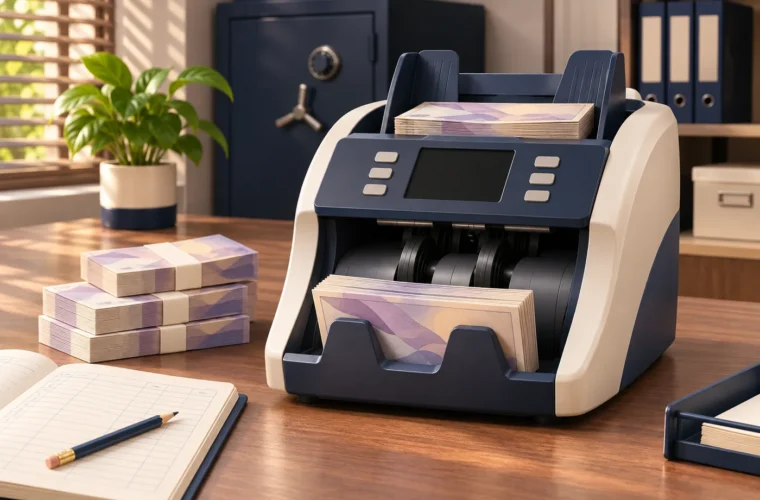

A number on a counting-machine display answers a narrow question: what result did this operation produce? Reconciliation asks another question: how does the counted cash relate to the activity recorded for the same batch and period? Keeping the distinction clear prevents unrealistic expectations of the equipment.
Consider an ordinary shift handover as a workflow example. Cash arrives, a count is recorded and a supervisor reviews any difference. Each step needs enough information to explain the next. The machine supports the physical count within that process.
Define the batch before touching the controls
Identify the till, department or shift to which the cash belongs. Record the period covered and the scope of the expected figure. A correct count can disagree with a record simply because the two describe different periods or include different items.
Keep authorised adjustments identifiable through the organisation's existing process. Do not merge unrelated cash sources merely to make counting more convenient. The person reviewing the result should be able to tell which activity the physical money represents.
Preserve the first result
Record the counting mode and result in a way that makes sense independently. If the procedure calls for a second check, apply it consistently. Repeated counting until a number happens to match the expected total does not explain why earlier results differed.
When considering a cash counting machine in Sri Lanka, identify the information staff need from it. A piece count, denomination summary and value total serve different purposes. Confirm the required functions and any available reporting output rather than assuming the display provides everything the reconciliation record needs.
Investigate differences without rewriting history
Keep the original count and record any correction with its reason. Check the batch identity, selected mode, inclusion of exception items and the comparison period. Follow the business's approved escalation procedure when a difference remains unexplained.
The aim is a record that shows what happened. An unexplained adjustment may make two totals agree while leaving the underlying question unresolved. Clear notes help the next reviewer distinguish a corrected entry from a continuing discrepancy.
Treat an alert as a separate event
Ask how the equipment treats notes that require attention and whether they are included in the displayed total. Operators need the manufacturer-guided response and the organisation's procedure for escalation. An alert alone should not become a final claim about authenticity.
Keep exception notes associated with the correct batch and record their resolution. If the same interruption occurs repeatedly, arrange appropriate assessment. Different informal workarounds on different shifts make the resulting records harder to compare and review.
Make the handover readable
The completed record should identify the source, physical result, relevant adjustments, unresolved items and approval status. Keep it concise. Use only the operational information needed for review rather than adding unnecessary personal details.
Ask the person receiving the handover to explain the record back. If they cannot tell whether an exception was included, the form or procedure needs attention. This simple check often reveals gaps that are invisible to the person who performed the count.
Discuss the required output and operator training with Aiken when evaluating equipment. A dependable counting arrangement produces more than a fast total. It supports a cash record that remains understandable from the first batch label through the final review.