
The most impressive part of a counting-machine demonstration is often the shortest. Notes pass through, a number appears and the next model is introduced. The business still needs to know whether its staff can complete a real batch accurately and understand the result afterwards.
A short evaluation plan changes the discussion. It gives the demonstrator a defined task and gives the buyer something more useful than a general impression of speed. Prepare the plan before comparing equipment.
Write the acceptance questions first
Choose the small set of functions the purchase must support. Describe the incoming notes, required currency, expected output and how the count will be recorded. Identify any reporting or sorting requirement separately. Avoid adding features simply because they look interesting during the presentation.
For each requirement, decide what evidence would answer the question. Some points need a practical demonstration. Others, including configuration and support terms, need written confirmation. Keep unresolved items clearly marked instead of treating a confident verbal answer as a completed test.
Bring a known task
Use authorised sample batches whose expected results have been checked independently. Select representative note conditions and batch types appropriate to the business and equipment instructions. Keep different sources identifiable. A demonstration should not expose customer information or use live confidential records unnecessarily.
Use the same agreed task when comparing suitable options. Record the configuration and mode used. If the conditions change between demonstrations, note the change so the results are not presented as directly equivalent when they are not.
Watch the operator as well as the machine
Observe preparation, loading, counting, collection and recording as one cycle. Can the display be read from the normal working position? Is it clear which mode is selected? Can an intended operator explain what the total represents after receiving appropriate instruction?
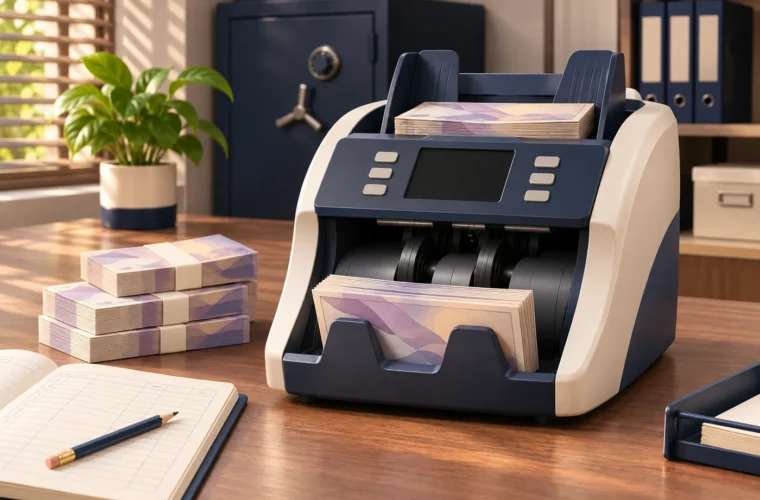
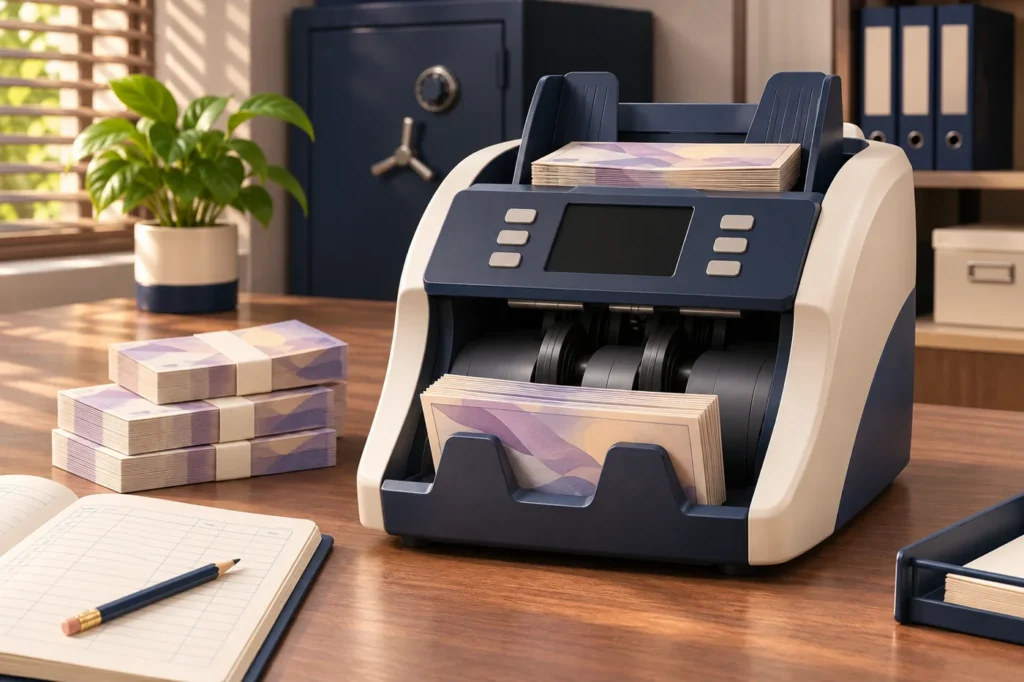
This is where a currency counting machine in Sri Lanka should be evaluated against the real desk and workflow. Headline throughput does not include every action around the count. A practical comparison makes those actions visible without pretending that a single demonstration predicts every working day.
Ask for a guided interruption check
Have the demonstrator explain ordinary alerts and the approved recovery procedure. Establish what happens to the accumulated result, which notes need attention and how the operator knows the batch is complete. Use safe, authorised demonstration steps rather than deliberately mishandling equipment.
Detection functions should be described with their limits. A warning is an instruction to follow the correct procedure, not a reason for staff to improvise a judgment. Record any question that requires further technical clarification before the order is approved.
Leave with a usable evaluation record
For each task, write the expected result, observed result, model configuration and outstanding question. Note training needs separately from equipment limitations. Retain relevant sample reports or non-sensitive test records where they help explain the result.
Discuss the findings with Aiken alongside the quotation. Confirm that the configuration being supplied matches the one evaluated and that any required setup is included. The demonstration has served its purpose when a colleague who was not present can understand what was verified and what still needs an answer.