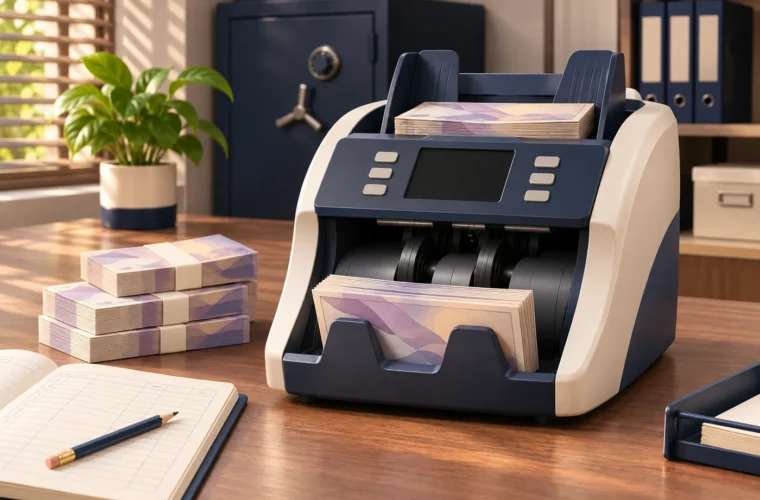

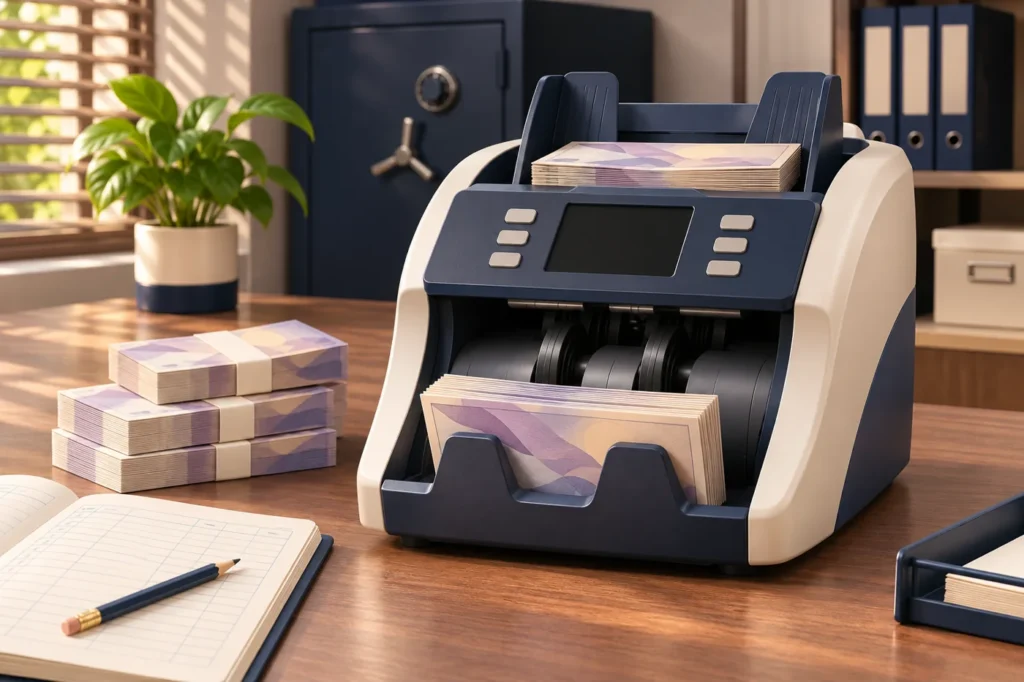
A comparison sheet should make a decision easier to explain. It loses that purpose when dozens of feature names hide a missing essential function. Start with the work the machine must complete, then compare evidence for that work.
Use one row for each requirement and one column for each exact proposed model. Add a place for the supporting document or demonstration result. The sheet does not need a complicated score. It needs to show what is suitable, what is optional and what remains unresolved.
Write the task above the table
Describe the incoming cash, required currency, usual batch size, busiest period and expected result. Identify who will operate the equipment and who receives the record. This short statement is the reference for every feature added later.
Use plain language before product terminology. Producing a mixed-denomination value total is a clearer requirement than copying an unfamiliar mode name. Ask the supplier to connect the task to a supported function in the proposed configuration.
Separate essentials from extras
An essential requirement is one without which the machine cannot complete the defined task. Optional conveniences belong in another part of the comparison. Several attractive extras should not compensate for an unverified essential function.
When a new feature appears during a sales discussion, ask who would use it and how often. Add it only if its role is clear. This keeps the comparison stable and prevents the purchasing brief from changing every time a different specification is presented.
Label the evidence
Use simple labels such as demonstrated, confirmed in writing and awaiting clarification. Keep the exact model and configuration beside the evidence. A capability verified on another version should not become a confirmed result for the equipment in the quotation.
Record limitations next to the feature. Currency support, optional software and configuration requirements can affect how a function is used. Detection-related claims should describe the supported purpose without becoming a promise that no problem can ever pass through the process.
Give the operator a place in the comparison
Check display readability, mode selection, loading access and collection of notes. Ask an intended user to complete a representative task with appropriate guidance. Include the response to ordinary interruptions and how the final result is recorded.
Those observations help explain differences in cash counting machine price in Sri Lanka. The useful question is whether additional cost improves a task the business performs, not whether one model has the longest list of functions.
Put the commercial scope on the same basis
Record equipment, accessories, delivery, configuration and training. Mark charges as included, excluded or awaiting confirmation. Keep written warranty and service terms alongside the comparison, especially where support arrangements influence the decision.
Do not award an optimistic score to an unanswered question. Obtain clarification when an essential capability remains uncertain. A short table with honest gaps is more useful than a polished ranking built on assumptions.
Review the completed sheet with Aiken and retain the version that supported the order. It should explain the chosen configuration, the reason for the expenditure and the parts of the business process that remain the organisation's responsibility.